"*" indicates required fields
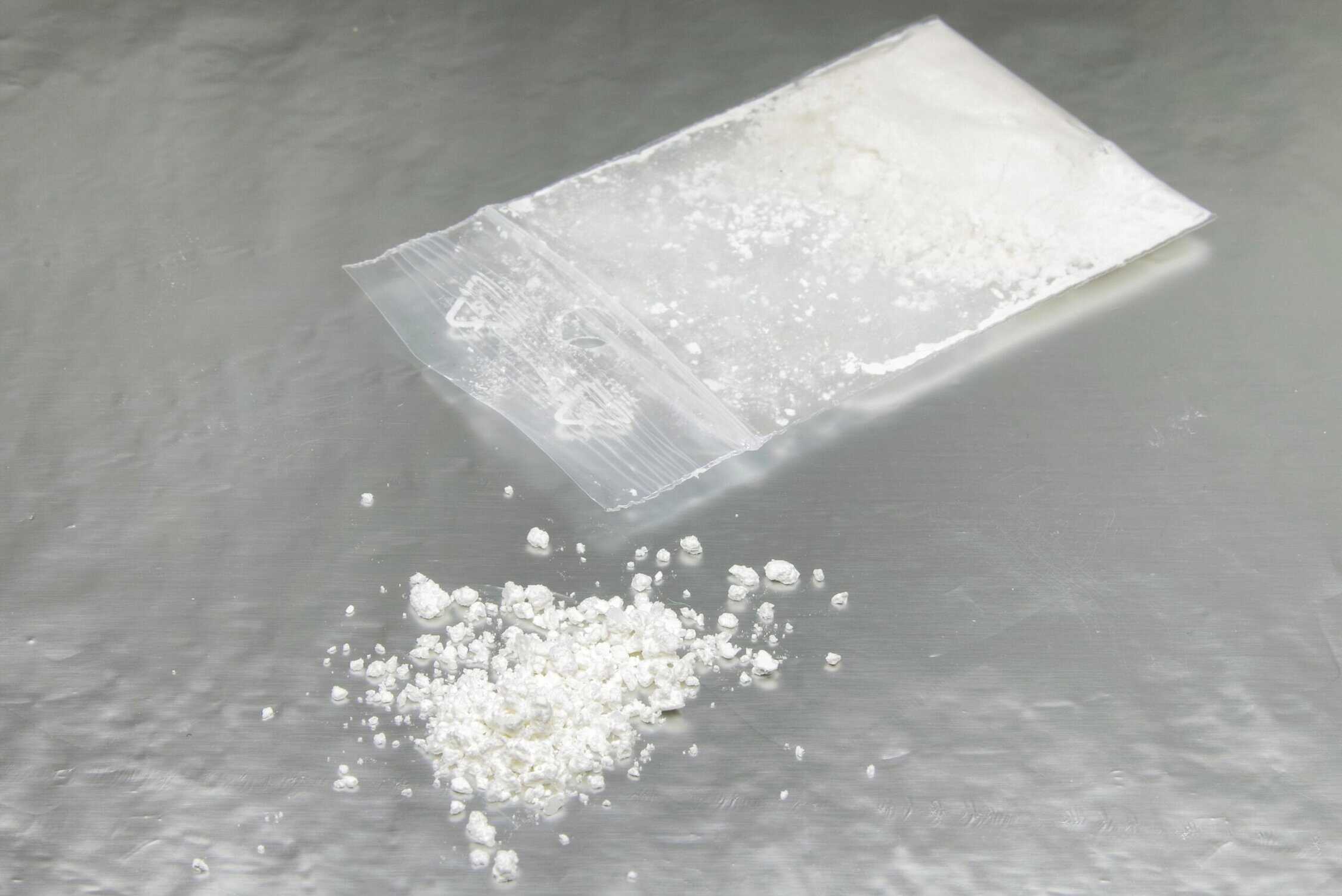
Methamphetamine, often just called meth, is a powerful and highly addictive substance that acts as a central nervous system stimulant. When someone uses it, they experience a powerful rush of energy and euphoria because the substance floods the brain with dopamine. The widespread nature of this substance is a serious concern; it’s estimated that about 1.6 million people in the United States may have a methamphetamine use disorder. This isn’t just a statistic, it represents friends, family members, and neighbors who are struggling with addiction and need compassion and support.
Methamphetamine doesn’t have just one look; its appearance can change a lot depending on how it was made and what other substances might be mixed in. The two most common forms you’ll hear about are crystal meth and powder meth. Because it’s made in illegal labs, there are no safety standards, so the color, texture, and form can vary from batch to batch. It’s so important to remember that trying to identify a substance just by looking at it can be unreliable and dangerous. The information here is to help you be aware, not to encourage handling or testing anything yourself.
Crystal meth gets its name because it often looks like clear or bluish-white crystals. People use a lot of different terms for it, like “ice” or “glass,” because it can look like small shards of glass or shiny, jagged rocks. This form of methamphetamine is typically considered purer and more potent. Because of its crystalline structure, it’s most often heated and smoked in a glass pipe, but it can also be dissolved in liquid and injected. The immediate and intense high from smoking or injecting crystal meth is what makes it so dangerously addictive.
Meth can also come in a powder form, which has a fine, and sometimes gritty, texture. While it can be white, it’s often off-white or even has a noticeable color like yellow, brown, or pink. This color usually means it’s less pure and has been “cut” with additives to increase the seller’s profit. These cutting agents can be anything from caffeine or sugar to chalk or other unknown chemicals, which adds another layer of danger. Powder meth is usually snorted, swallowed, or dissolved and injected.
Because it’s sold illegally, meth is usually packaged in ways that are easy to hide and transport. If you find something suspicious, it might be in one of these common containers:
It is extremely important to state this first: you should never, ever taste or intentionally smell a substance you suspect might be a drug. Doing so could lead to accidental poisoning or other serious health risks. However, knowing about the sensory characteristics of meth can be helpful if you’ve noticed an unusual odor in your home or around a loved one. The raw substance itself is said to have a faint chemical smell, sometimes described as being similar to ammonia or vinegar. When smoked, the odor changes. The smoke from crystal meth can have a chemical smell that’s sometimes described as slightly sweet or acrid, like burnt plastic.
Users have reported that the substance has a very bitter, chemical taste, but again, this is not something you should ever try to verify yourself. The risks of exposure to the toxic chemicals used to make meth are very real.
People use methamphetamine in several different ways, and the method they choose often affects how quickly they feel the drug’s effects. Each method comes with its own set of serious health risks.
Sometimes, the clearest sign of meth use isn’t the drug itself, but the items left behind, known as paraphernalia. Finding these things can be a strong indicator that someone is using meth or another substance. Many of these items are common household objects that have been repurposed.
Beyond identifying the substance itself, it’s crucial to recognize the changes it can cause in a person. Methamphetamine is incredibly powerful, and its effects on a person’s physical and mental health can be devastating. Addiction develops quickly because the drug creates such an intense surge of dopamine, the “feel-good” chemical in the brain. Over time, the brain can’t produce dopamine on its own, leading to a deep dependence on the drug just to feel normal.
If you’re worried about someone, look for these signs:
Recognizing these signs can be heartbreaking, but it’s the first step toward getting help. If this sounds like someone you know, compassionate and professional meth addiction treatment is available.
If you recognize the signs of meth use in yourself or a loved one, please know that hope and healing are absolutely possible. Reaching out for help is a sign of incredible strength, and professional support can guide you through every step of the recovery journey. The first step is often a medically supervised drug detox, which provides a safe and supportive environment to manage the difficult symptoms of withdrawal. Once your body is stable, the real work of healing can begin.
Comprehensive treatment, like an inpatient or residential program, offers the structure and therapies needed to address the root causes of addiction. At Hillside Detox, we use an integrated approach, combining therapies to address both the addiction and any underlying mental health issues, such as anxiety or depression, through dual diagnosis care. This ensures that you’re not just stopping the substance use, but healing as a whole person.
The only truly safe way to identify a substance you suspect is meth is to not touch or handle it at all. Never taste or smell an unknown substance, as this could lead to accidental poisoning from the toxic chemicals used in its production.
If you find something suspicious, your safest option is to leave it alone and contact local law enforcement for guidance. Your well-being is the top priority, and professionals are trained to handle potentially hazardous materials safely.
No, crystal meth is an illegal Schedule II controlled substance. The U.S. Drug Enforcement Administration (DEA) classifies it this way due to its high potential for abuse and severe psychological or physical dependence. While a doctor can rarely prescribe a form of methamphetamine (Desoxyn) for conditions like ADHD, this is not the same as illicit crystal meth.
Possessing or distributing illegal crystal methamphetamine carries serious legal consequences, including fines and lengthy prison sentences.
How long crystal meth stays in your system depends on several factors, including the type of test used, a person’s metabolism, and how much they used. Generally, it can be detected in urine for up to five days and in blood for one to three days.
A saliva test may detect it for up to two days after last use. For a much longer detection window, hair follicle tests can show evidence of methamphetamine use for up to 90 days.
While both meth and crack cocaine are powerful stimulants, they are different drugs. Methamphetamine is a synthetic drug, and its effects can last for many hours. In contrast, crack is a form of cocaine made from the coca plant, and its high is very intense but much shorter, often lasting only 5 to 15 minutes.
Because its effects are so short-lived, people may use crack more frequently in a short period. Both substances carry a high risk of addiction and can have devastating effects on a person’s health.
Treatment for meth addiction is a journey toward healing the whole person, not just stopping substance use. It typically begins with medical detox to safely manage withdrawal symptoms in a supportive environment. This step helps stabilize the body so the deeper work of recovery can begin.
After detox, treatment often involves behavioral therapies, individual counseling, and group support. These approaches help people understand the root causes of their addiction, develop healthy coping strategies, and build a foundation for a lasting, substance-free life.
Illicit methamphetamine is a synthetic drug, meaning it is man-made in illegal labs. It isn’t grown or harvested. The production process involves a dangerous mix of volatile chemicals, often including ingredients from over-the-counter cold medicines combined with hazardous substances like battery acid or drain cleaner.
Most of the meth in the U.S. is produced in large “superlabs,” often operated by transnational criminal organizations. This illegal production is not regulated, making the final substance unpredictable and extremely dangerous.
Understanding what meth looks like and recognizing the signs of use is a critical first step. The next step is taking action. It can feel overwhelming, but you don’t have to do it alone. Reaching out for help is the bravest thing you can do for yourself or for someone you love. Recovery is a journey, and it starts with a single, hopeful step. There are resources available right now to offer guidance and support.
It takes courage to face the reality of methamphetamine addiction, but you are not alone on this journey. Remember that recovery is possible, and a healthier, more hopeful future is within reach. If you or someone you love is struggling, the compassionate team at Hillside Detox is here to help you take that first brave step. We’re available to talk anytime. Please don’t hesitate to call us at (781) 332-4135 or reach out to us online to learn more about our treatment programs and start the path to healing today.

"*" indicates required fields

We have helped countless individuals empower themselves to recover and get the substance use and mental health treatment they need. Know that you’re not alone in this, we are here to help.

Contact us through the confidential form below for assistance on how to find Alcohol Detox, Alcohol Rehab, and a Drug Addiction Treatment Center in Massachusetts.
"*" indicates required fields