What Does Meth Look Like?
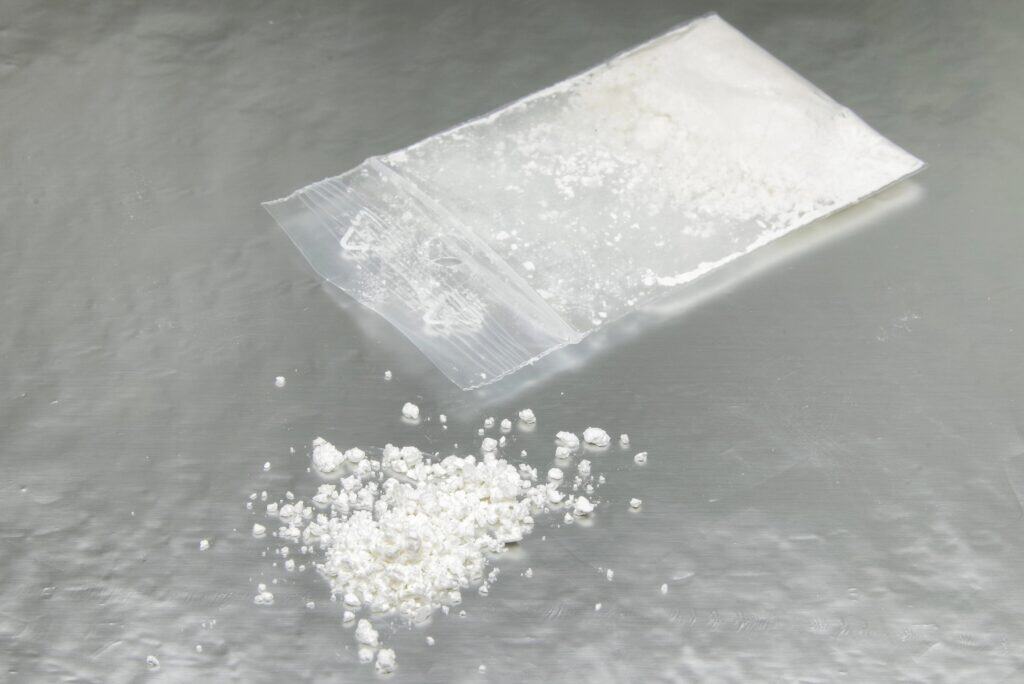
If you’re worried that someone you care about might be using methamphetamine, or if you’ve found something you can’t identify, you’re probably feeling scared and overwhelmed. It’s a heavy weight to carry, and looking for answers is a brave first step. Knowing what you’re dealing with can give you a sense of clarity and help you figure out what to do next. This guide is here to walk you through how to identify meth in its different forms, not to cause more fear, but to give you clear, honest information so you can move forward with confidence and find the support you and your loved ones need.
What is Pink Cocaine?

Brightly colored powders and flashy nicknames can make dangerous drugs seem less threatening, and that’s exactly what’s happening with “pink cocaine.” Despite its name and appearance, pink cocaine isn’t a single drug or a harmless party trend. It’s often a risky mix of substances like cocaine, ketamine, MDMA, methamphetamine, and sometimes even fentanyl. This unpredictable combination has made pink cocaine an increasingly dangerous presence in clubs, festivals, and social circles, especially among young adults.
How Long Does Meth Stay in Your System?
Many people who struggle with methamphetamine use, whether personally or through watching someone they love engage with the substance, may be curious just how long meth stays in the body and how this might impact overall recovery.
Ozempic Alcohol Addiction: Can GLP-1 Receptor Agonists Help Reduce Alcohol Use Disorder?
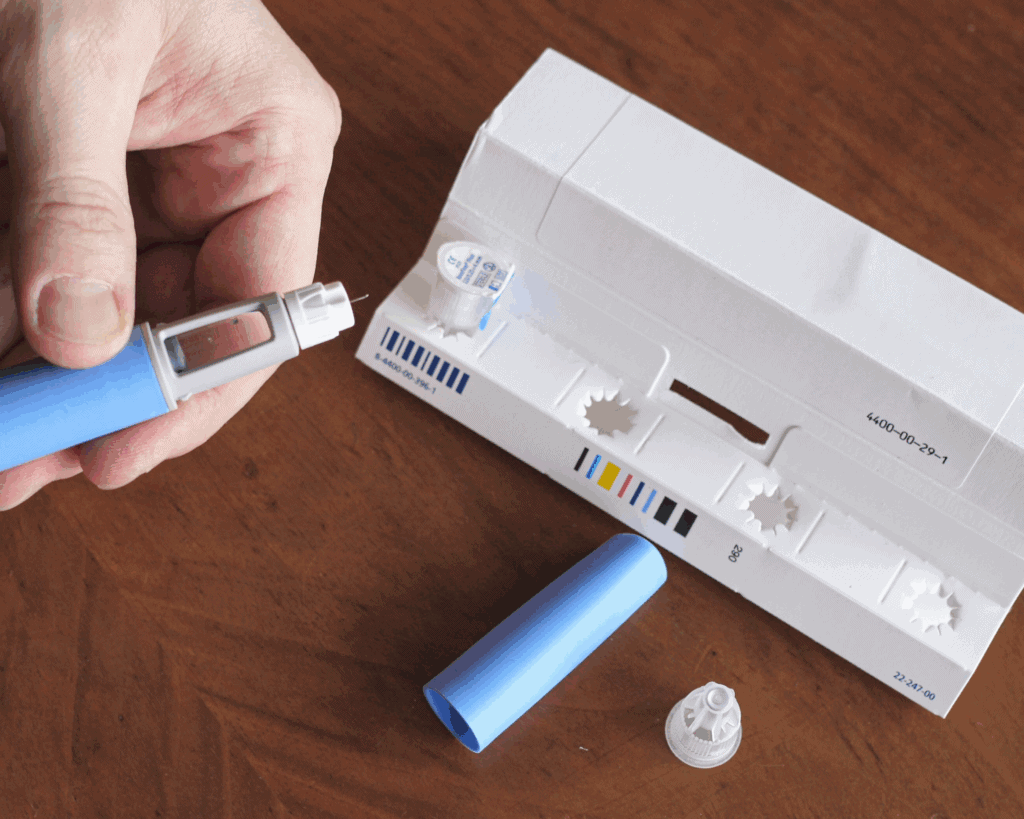
In recent years, Ozempic, a blockbuster drug containing semaglutide, has been widely prescribed for diabetes and weight loss. But emerging addiction science and clinical research suggest it may also play a role in treating addiction, including alcohol use disorder (AUD).
How to Get a Loved One Into Rehab: A Guide for Families Facing Substance Abuse

Watching a family member struggle with drug or alcohol addiction is one of the most painful experiences a person can go through. Whether the issue is substance abuse, alcohol addiction, or drug misuse, it can be hard to know how to help, especially if your loved one resists the idea of getting help.
Alcohol and Anxiety: Understanding the Connection Between Two

Anxious? You’re not alone—and if alcohol’s been your go-to for calming the nerves, it might be doing more harm than good. Alcohol and anxiety are more connected than most people realize. What starts as a glass to “take the edge off” can slowly fuel a cycle of heightened stress, panic attacks, and mood instability.
Drug Dependence vs Addiction: What’s the Difference?
Many people mistakenly believe that drug dependence and drug addiction are the same—but in medical and behavioral health contexts, they describe different aspects of substance use disorders. Knowing the difference is vital for patients, family members, and providers seeking the most effective treatment options and paths to long-term recovery.
7 Signs That You Need Help Detoxing From Alcohol and Other Drugs

If you find yourself wondering about detox due to your own or your loved one’s drug or alcohol use, it is always good to be on the side of caution before things get out of hand. Prolonged or excessive substance use can lead to substance use disorders and addiction, which is a chronic disease.
What to Expect from Detox Programs in Massachusetts

If you or a loved one are considering a detox program in Massachusetts, it’s important to understand what to expect during the detox process so you feel confident in your decision as you take the first step towards a healthier, substance-free life.
Most Dangerous Drugs to Detox From

Many people are aware of the dangers associated with drug use, but few understand just how dangerous some drugs can be if an individual suddenly stops taking them without medical help and supervision. By delving into the most dangerous drugs to detox from and examining their associated risks, we aim to shed light on the importance of professional support and comprehensive care during this critical stage of recovery.