Requesting a call is the first step toward recovery. Our team is here to help you 24/7.

Stimulant Addiction Treatment

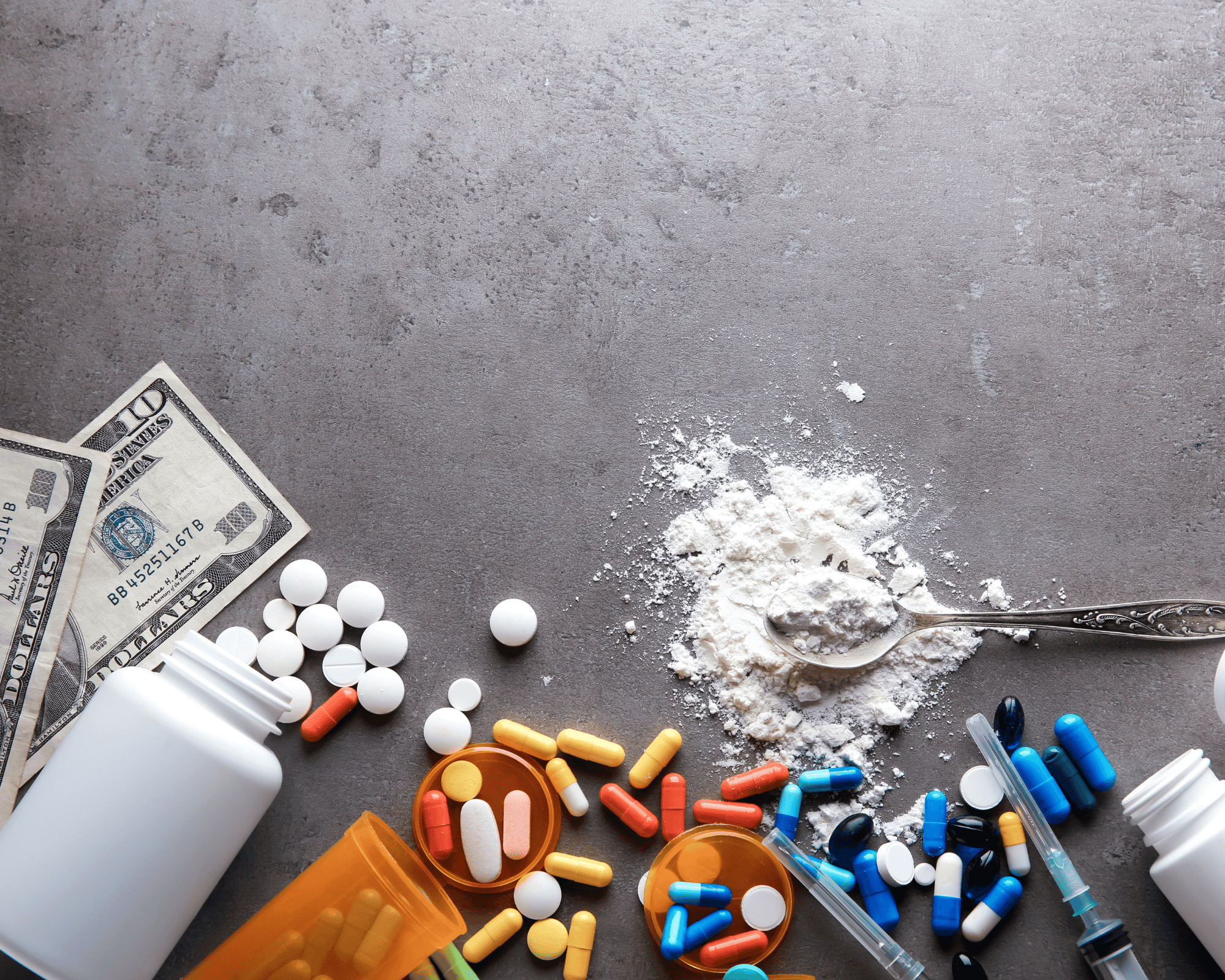
At Hillside Detox, we provide compassionate, research-based stimulant addiction treatment to help individuals struggling with cocaine, methamphetamine, or prescription stimulant misuse find stability and freedom from addiction. Stimulant use disorder is a growing public health concern, often involving substances such as Adderall, methamphetamine, or cocaine. These drugs increase alertness and energy but can also cause severe dependence, mental health issues, and physical harm over time. Our Massachusetts facility offers various programs to reclaim life and maintain recovery after addiction.
Cocaine self administration, or a cocaine craving, is a common side effect of drug addiction to prescription stimulants that has progressed to amphetamine dependence.

Understanding Stimulant Use Disorder and Drug Addiction

Stimulants work by increasing dopamine activity in the brain’s nucleus accumbens, which is the area responsible for reward and motivation. Over time, repeated stimulant use, especially at high doses, can change brain chemistry and lead to cravings, tolerance, and amphetamine dependence.

Common stimulants associated with drug addiction include:

  • Cocaine and crack cocaine
  • Methamphetamine
  • Prescription stimulants such as Adderall, Ritalin, and Dexedrine

According to recent clinical trials and research, people who misuse stimulants are at higher risk of substance use disorders, cardiovascular complications like chest pain and high blood pressure, and mental health conditions such as anxiety and depression.

Withdrawal and Detoxification from Substance Use Disorders

When individuals stop using stimulants, they may experience intense withdrawal symptoms, including fatigue, depression, sleep problems, and strong cravings.

At Hillside Detox, we offer medically supported detox services to stabilize the body and manage symptoms safely. Although there are no FDA-approved medications specifically for stimulant use disorder, our clinicians use evidence-based medical treatment protocols to monitor blood pressure, ensure proper hydration, and support emotional health during withdrawal.

Our treatment for stimulant detox focuses on:

  • Safe, supervised medical care
  • Nutritional and physical stabilization
  • Mental health support and counseling
  • Transition planning for ongoing treatment

This foundation prepares patients for the next phase of recovery through therapy and skill development in treatment programs.

Behavioral and Psychological Disorder Treatment Approaches

Because stimulant dependence primarily affects behavior and thought patterns, behavioral treatment is central to recovery. Hillside Detox uses several evidence-based interventions proven effective in treating stimulant addiction.

Cognitive behavioral therapy (CBT)

CBT helps patients identify negative thinking patterns, manage cravings, and develop healthy coping strategies for stress and relapse prevention.

Contingency management

Based on strong research, contingency management reinforces positive behaviors, such as maintaining sobriety, through structured rewards. Studies show that this approach can significantly reduce cocaine reinforcement cravings and methamphetamine dependence.

Motivational enhancement therapy (MET)

This therapy helps individuals strengthen motivation and commitment to recovery while addressing ambivalence about change.

Together, these therapies offer effective treatment options that improve long-term recovery outcomes and reduce relapse rates.
Research shows that over time, those who abuse methamphetamine or cocaine tend to alter their brain chemistry and nucleus accumbens. Double blind research, placebo controlled trials, and recent advances show that detox from drugs and alcohol, and other treatments can be effective to curb drug use.

Get Answers to Your Questions Now

Are you looking for information on addiction treatment options, or just need someone to talk to? We are here to help. The treatment specialists at Hillside Detox are available 24/7 to offer support, resources, and care for you or your loved one.

Treating Co-Occurring Disorders and Drug Use

Many patients struggling with stimulant use disorder also experience mental health challenges like depression, anxiety, or trauma. Hillside Detox integrates dual diagnosis care to treat both substance use disorders and mental health conditions simultaneously.

Our clinical team collaborates with health care professionals to provide a plan that promotes recovery across all areas of life.

Family Therapy and Support Networks

Addiction impacts not only the individual but the entire family system. At Hillside Detox, our family therapy program is designed to help loved ones understand stimulant use disorder, rebuild trust, and strengthen communication. Through guided sessions, families learn how to support recovery in healthy, constructive ways while addressing the emotional effects addiction can have on everyone involved.

Beyond family therapy, patients are encouraged to stay connected through support groups and community-based recovery programs such as SMART Recovery, Narcotics Anonymous (NA), and local relapse prevention workshops. These resources provide essential peer accountability, shared understanding, and a sense of belonging that reinforces long-term healing and sustained recovery.

Relapse Prevention and Aftercare Planning for Stimulant Dependence

Recovery doesn’t stop after treatment, it evolves. Here at Hillside, we provide structured aftercare planning focused on long-term wellness, accountability, and relapse prevention.

Aftercare may include:

  • Outpatient programs for continued therapy and support
  • Regular meetings with clinicians or counselors
  • Access to more resources, like alumni groups or wellness classes
  • Personalized relapse prevention strategies
  • Education for families to maintain a healthy recovery environment

By addressing both the psychological and social dimensions of stimulant dependence, Hillside empowers each person to live a stable, healthy, and purpose-driven life.

Insurance and Confidential Access to Effective Treatment

We believe that quality addiction treatment should be accessible to everyone. Hillside works with most major insurance providers to make stimulant addiction treatment affordable and stress-free.

Our admissions specialists provide confidential guidance, verify insurance coverage, and connect you with the right level of care to start your recovery journey without delay.

Most people report side effects from cocaine, opioids, cannabis, heroin, or methamphetamine use - from social problems, to withdrawal symptoms, and everything in between,

Frequently Asked Questions

Stimulant addiction is a type of substance use disorder that involves dependence on drugs such as cocaine, methamphetamine, or prescription stimulants like Adderall and Ritalin. These substances affect the brain’s dopamine system, increasing energy and focus, but prolonged use can lead to dependence, cravings, and withdrawal.

Over time, stimulant dependence can cause severe mental health challenges such as anxiety, depression, and sleep disruption, along with physical complications like high blood pressure, chest pain, and exhaustion.

What Are the Long-Term Effects of Stimulant Addiction if Left Untreated?

Without treatment, prolonged stimulant use can cause lasting damage to both physical and mental health. Individuals may experience chronic fatigue, cardiovascular issues, memory loss, mood instability, and increased risk of anxiety or psychosis. Early intervention through professional treatment helps prevent these long-term complications and supports full neurological and emotional recovery.

Are There Medications Available for Stimulant Addiction?

Currently, there are no FDA-approved medications specifically for stimulant use disorder, but research shows that certain medical treatments and behavioral combinations can reduce cravings and improve stability.

Our clinical team uses an integrated approach that may include:

  • Nutritional and physical health support
  • Sleep and anxiety management
  • Non-addictive medications to ease symptoms
  • Close monitoring of blood pressure, mood, and overall well-being

This medically supervised care provides a strong foundation for therapy and long-term recovery.

What Are Common Withdrawal Symptoms From Stimulants?

Withdrawal from stimulants can be physically and emotionally difficult, especially after prolonged or heavy stimulant use. Common symptoms include:

  • Fatigue and low energy
  • Irritability or mood swings
  • Depression or anxiety
  • Intense drug cravings
  • Sleep disturbances or vivid dreams
  • Slowed thinking or difficulty concentrating

During detox, our clinical team provides 24/7 medical treatment and emotional support to manage these symptoms safely, helping each patient stabilize before entering behavioral treatment.

Can Stimulant Addiction Affect Mental Health Even After Sobriety?

Yes. Because stimulants significantly alter brain chemistry, some individuals experience lingering mood changes, anxiety, or depression during early recovery. Hillside Detox addresses these effects through integrated dual diagnosis care, providing ongoing mental health support to help clients regain emotional balance and long-term well-being.

What Should I Bring If I’m Admitted for Stimulant Detox or Treatment?

When entering treatment, patients should bring comfortable clothing, essential toiletries, and any prescribed, approved medications. Hillside Detox provides all meals, medical care, and recovery materials needed during the stay. Electronics, substances, or outside medications not cleared by staff should be left at home to ensure safety and focus during recovery.

Is Confidentiality Guaranteed During Treatment?

Absolutely. Hillside Detox follows all HIPAA and state confidentiality regulations to ensure that personal health information and participation in treatment remain fully private. Clients can feel secure knowing that their recovery journey will be handled with discretion and respect at every stage.

How Can Family Members Support a Loved One in Recovery?

Family members play a key role in long-term recovery. At Hillside Detox, we provide family therapy, educational sessions, and ongoing communication guidance to help families heal together. If you need help for a loved one, we are here to support you.

Loved ones are also encouraged to attend local support groups and learn about relapse prevention strategies to help sustain recovery at home.

Break free from drug use today. At Hillside Detox, we offer treatment and more resources for you to reclaim your life after substance use today.

Start Your Recovery From Stimulant Addiction in Massachusetts

If you or a loved one is struggling with stimulant use disorder or drug addiction, help is available. Hillside Detox offers comprehensive disorder treatment, behavioral therapy, and medical support tailored to your needs.

Contact Hillside Detox today to learn more about our stimulant addiction treatment programs, explore your treatment options, and take the first step toward lasting recovery and renewed well-being.

Sources

Haile, C. N., & Kosten, T. R. (2013). Pharmacotherapy for stimulant-related disorders. Current Psychiatry Reports, 15(11), 415. https://doi.org/10.1007/s11920-013-0415-y

Stanger, C., & Budney, A. J. (2019). Contingency management: Using incentives to improve outcomes for adolescent substance use disorders. Pediatric Clinics of North America, 66(6), 1183–1192. https://doi.org/10.1016/j.pcl.2019.08.007

Substance Abuse and Mental Health Services Administration. (2021). Treatment for stimulant use disorders (Treatment Improvement Protocol [TIP] Series No. 33; Chapter 2, How stimulants affect the brain and behavior). Substance Abuse and Mental Health Services Administration (US). https://www.ncbi.nlm.nih.gov/books/NBK576548/

Substance Abuse and Mental Health Services Administration. (2021). Treatment for stimulant use disorders (Treatment Improvement Protocol [TIP] Series No. 33; Chapter 3, Medical aspects of stimulant use disorders). Substance Abuse and Mental Health Services Administration (US). https://www.ncbi.nlm.nih.gov/books/NBK576550/

Most Insurance Plans Accepted

Our team is available to work directly with your insurance provider to assist you in navigating your insurance benefits to minimize out-of-pocket expenses.
detox massachusetts alcohol detox massachusetts drug rehab massachusetts detox centers massachusetts inpatient detox massachusetts

We Are Here to Help

Contact us through the confidential form below for assistance on how to find Alcohol Detox, Alcohol Rehab, and a Drug Addiction Treatment Center in Massachusetts.

"*" indicates required fields

drug rehab massachusetts detox centers massachusetts inpatient detox massachusetts detox massachusetts alcohol detox massachusetts

Recovery Starts Here

As a premier detox & substance use treatment center, we’ve helped countless individuals recover and get the treatment they need.