Requesting a call is the first step toward recovery. Our team is here to help you 24/7.

Marijuana Addiction Treatment in Massachusetts

While marijuana is often viewed as a harmless or “soft” drug, long-term or frequent marijuana use can lead to dependence, emotional instability, and significant life disruptions. Our Massachusetts facility offers structured inpatient treatment, personalized behavioral therapy, and comprehensive support for individuals ready to break free from marijuana addiction and build lasting recovery.
marijuana addiction treatment

The Reality of Cannabis Use Disorder

Marijuana addiction, also known as cannabis use disorder, is recognized by the Diagnostic and Statistical Manual of Mental Disorders (DSM-5) as a diagnosable substance use disorder. It develops when a person’s marijuana use begins to interfere with daily functioning, relationships, or mental health, even when they experience negative consequences.

People struggling with marijuana abuse often experience:

  • A persistent desire or unsuccessful efforts to cut down on use
  • Cravings or urges to consume marijuana
  • Using in physically hazardous situations (such as driving)
  • Withdrawal symptoms like depressed mood, stomach pain, irritability, or increased appetite
  • Neglecting responsibilities due to frequent marijuana use

Over time, continued use of the cannabis sativa plant can affect brain development, emotional regulation, and cognitive functioning. This is especially true for young adults or individuals who already struggle with mental health conditions. At Hillside Detox, we realize that you may need support to break the hold of addiction, and we are positioned to be a partner on your recovery journey.

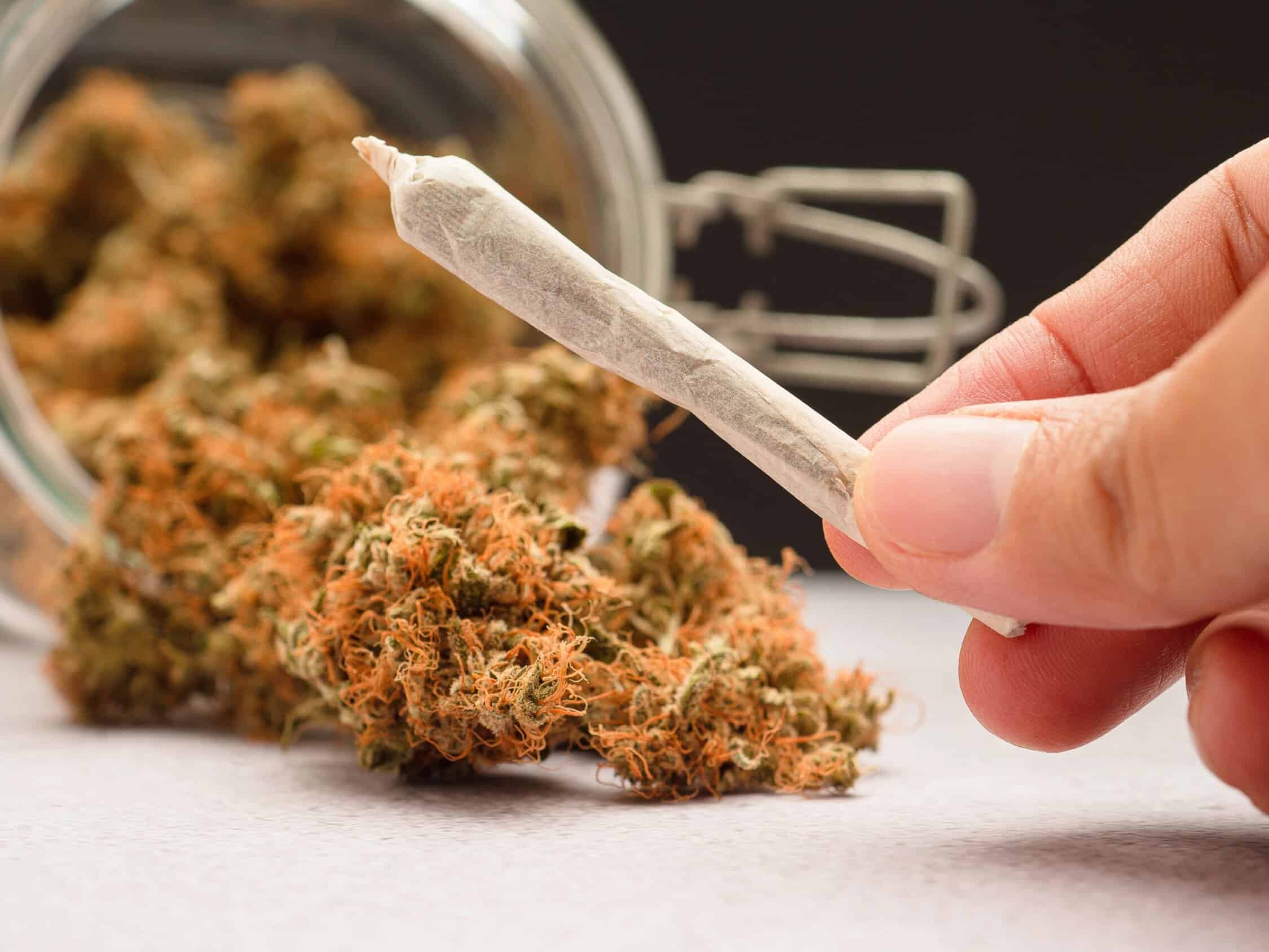
Marijuana use disorder, also known as cannabis use disorder, is a form of substance abuse [or drug abuse] known to cause cognitive impairment. If marijuana regularly graces your day-to-day and you're looking to control cannabis dependence, contact us today

Understanding the Physical and Psychological Impact of Marijuana Use

Although marijuana is often seen as less harmful than other substances, chronic or heavy use can have significant effects on both physical and mental health. Over time, consistent cannabis use can alter brain chemistry, disrupt emotional regulation, and lead to dependency, especially in individuals with existing mental health conditions.

Common Short-Term Side Effects of Marijuana Use

When using marijuana, individuals may experience a range of short-term effects due to changes in how the brain processes dopamine and serotonin. These may include:

  • Altered perception of time and reality
  • Impaired short-term memory and concentration
  • Slowed coordination and reaction time
  • Increased heart rate and blood pressure
  • Anxiety, paranoia, or panic in some users
  • Dry mouth, red eyes, or dizziness

While some of these effects fade as the drug leaves the system, repeated exposure can increase tolerance, making the brain and body more reliant on THC to function normally.

Long-Term Side Effects of Marijuana Addiction

With prolonged or heavy marijuana use, individuals may begin to experience long-term side effects, including:

  • Difficulty focusing or learning new information
  • Emotional instability or frequent mood swings
  • Decline in motivation and productivity
  • Chronic respiratory problems (for those who smoke marijuana)
  • Impaired decision-making or problem-solving abilities
  • Increased risk of depression, anxiety, or psychosis in vulnerable individuals

Research suggests that long-term use, particularly when it begins in adolescence, can affect brain development, contributing to persistent cognitive and behavioral symptoms even after stopping use.
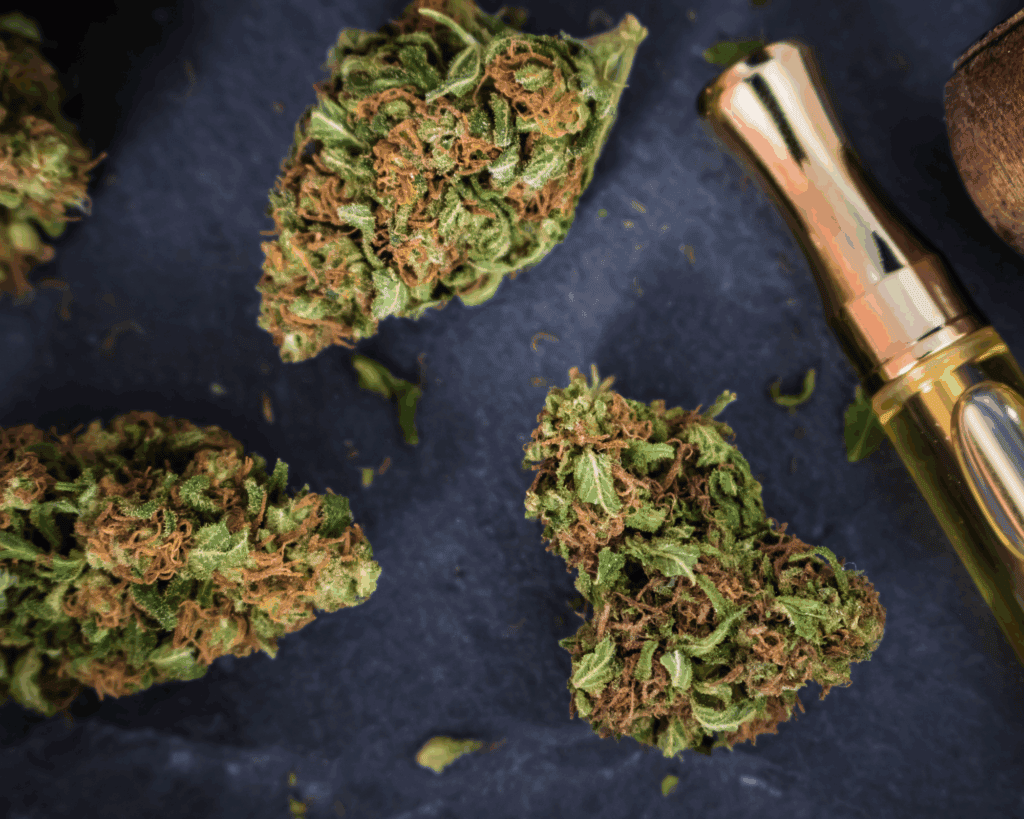
If you have found yourself in the middle of substance abuse, like marijuana use disorder, you might find yourself with recurrent physical uncomfortable symptoms that accompany illicit drug use, like to marijuana or other drugs. However, effective treatments exist to treat CUD.

Get Answers to Your Questions Now

Are you looking for information on addiction treatment options, or just need someone to talk to? We are here to help. The treatment specialists at Hillside Detox are available 24/7 to offer support, resources, and care for you or your loved one.

Marijuana Withdrawal Symptoms

When someone who regularly uses marijuana stops suddenly, they may experience withdrawal symptoms as the body adjusts to the absence of THC. Although not usually life-threatening, withdrawal can be uncomfortable and emotionally distressing.

Common marijuana withdrawal symptoms include:

  • Irritability, anger, or restlessness
  • Depressed mood or loss of motivation
  • Sleep disturbances or vivid dreams
  • Headaches or stomach discomfort
  • Changes in appetite (either increased or decreased)
  • Fatigue or lack of focus
  • Anxiety or feelings of unease

These symptoms typically appear within 24–72 hours after stopping marijuana and can last up to two weeks. For some individuals, especially those with cannabis use disorder, symptoms may persist longer and require professional support.

At Hillside Detox, we recognize marijuana addiction as a serious mental health and substance use disorder, not simply a matter of willpower. Our goal is to help clients identify risk factors, understand their behaviors, and build healthy coping strategies that support a balanced and fulfilling life.

Inpatient Treatment for Marijuana Addiction

Our inpatient treatment program offers a stable environment free from triggers and other substances, allowing individuals to focus entirely on recovery. Patients receive 24/7 medical and clinical support to manage marijuana withdrawal symptoms and begin the healing process safely.

During residential treatment, clients participate in a combination of behavioral therapy, individual counseling, group sessions, and recreational activities designed to rebuild confidence and well-being.

We emphasize relapse prevention strategies, emotional awareness, and stress management skills that help clients prepare for real-world challenges after treatment.

Behavioral Therapy and Evidence-Based Treatments

At Hillside Detox, we use evidence-based behavioral therapy techniques to address both the emotional and behavioral components of marijuana addiction.

Cognitive Behavioral Therapy (CBT)

CBT helps individuals identify negative thought patterns, build coping skills, and replace maladaptive behaviors with healthier responses. This therapy focuses on self-awareness and emotional control, empowering clients to handle cravings and stressful situations without turning to marijuana.

Motivational Enhancement Therapy (MET)

Motivational enhancement therapy supports individuals in finding personal motivation to change. It strengthens commitment to recovery and helps clients develop intrinsic reasons to stop smoking marijuana or engaging in marijuana abuse.

Contingency Management

This behavioral therapy approach uses positive reinforcement to reward healthy behaviors and discourage substance use. Research shows that contingency management can improve engagement and outcomes for those in marijuana addiction treatment.

Each treatment plan at Hillside Detox is individualized, integrating various psychotherapeutic treatments to ensure every client receives care that fits their unique needs and co-occurring disorders.

Various treatments, from a MAT program which will provide medication for symptom management, to other types of therapies, can have the same effect on your healing. Effective treatments tend to mix all together.

Co-Occurring Disorders and Dual Diagnosis Care

Many individuals with cannabis use disorder also experience co-occurring disorders such as depression, anxiety, or post-traumatic stress disorder (PTSD). Our dual-diagnosis approach addresses both mental health conditions and substance abuse simultaneously.

By treating underlying mental health conditions, we help clients achieve emotional stability, prevent relapse, and create a foundation for long-term recovery. Our experienced clinicians specialize in managing mental health disorders that often accompany marijuana addiction, such as bipolar disorder, panic disorder, and personality disorders.

Building Coping Skills and Confidence for Recovery

The recovery journey continues well beyond detox. Our marijuana addiction treatment program focuses on teaching relapse prevention strategies and practical tools for everyday life.

Clients learn to:

  • Recognize and manage triggers and stressful situations
  • Build healthy coping mechanisms and emotional resilience
  • Develop communication skills and strengthen family connections
  • Participate in support groups and community programs
  • Create a personalized plan for ongoing wellness

By promoting healthy relationships, structure, and accountability, we help individuals navigate life confidently after completing inpatient treatment.

Insurance Coverage and Accessibility

At Hillside Detox, we believe that quality addiction treatment should be accessible to everyone who needs it. We work with most major providers to help patients understand and maximize their insurance coverage for marijuana addiction treatment and co-occurring disorders.

Our admissions team can verify your benefits, explain treatment options, and help you take the first step toward recovery.

Still Have Questions About Marijuana Addiction Treatment?

Many people underestimate the effects of long-term marijuana use or assume it can’t lead to dependency. However, cannabis use disorder is a real and treatable condition.

Below are answers to some of the most common questions we receive about marijuana addiction treatment, withdrawal symptoms, and inpatient care for substance use disorders.

Frequently Asked Questions

Is Marijuana Addiction Real?

Yes. While often viewed as a mild or non-addictive substance, marijuana addiction, also known as cannabis use disorder, can cause physical dependence, psychological cravings, and long-term mental health issues.

Regular marijuana use can alter brain chemistry, leading to tolerance and withdrawal when trying to stop. Many individuals experience negative consequences such as reduced motivation, difficulty concentrating, depressed mood, or social isolation.

At Hillside Detox, we help patients understand the difference between recreational use and addiction, offering professional addiction treatment to support safe and lasting recovery.

What Are the Signs and Symptoms of Marijuana Addiction?

The symptoms of marijuana addiction can vary from person to person, but common indicators include:

  • Using more marijuana than intended
  • A persistent desire to quit or unsuccessful efforts to stop
  • Continuing use despite negative consequences at work, school, or in relationships
  • Withdrawal symptoms such as irritability, insomnia, and anxiety
  • Spending excessive time obtaining or using marijuana

If marijuana use interferes with your mental health, responsibilities, or well-being, it may be time to seek treatment.

What Is Cannabis Use Disorder (CUD)?

Cannabis use disorder (CUD) refers to a problematic pattern of marijuana consumption that leads to impairment or distress. This condition can affect physical and mental health, especially when marijuana is used daily or in high doses.

Factors that can increase the risk of developing CUD include:

  • Family history of substance use disorder
  • Early exposure to marijuana
  • Co-occurring mental health disorders like depression or anxiety
  • Frequent or heavy marijuana use

Our marijuana addiction treatment program provides the structure and therapeutic support needed to overcome CUD safely and effectively.

How Is Marijuana Addiction Treated at Hillside Detox?

At Hillside Detox, we use a combination of inpatient treatment, behavioral therapy, and mind-body-centered recovery practices to treat marijuana addiction.

Our clinical team creates an individualized treatment plan that may include:

  • Cognitive behavioral therapy (CBT) to identify triggers and change thought patterns
  • Motivational enhancement therapy to strengthen personal motivation for change
  • Contingency management to reinforce positive behaviors and sobriety milestones
  • Relapse prevention strategies to help manage cravings and avoid high-risk situations
  • Treatment for co-occurring disorders such as anxiety, trauma, or depression

This comprehensive approach supports both emotional regulation and long-term recovery success.

What Are the Withdrawal Symptoms of Marijuana Addiction?

When individuals stop smoking marijuana after regular use, they may experience uncomfortable but manageable withdrawal symptoms, including:

  • Irritability or mood swings
  • Depressed mood or low motivation
  • Sleep disturbances
  • Headaches or stomach pain
  • Loss of appetite or increased hunger
  • Restlessness or fatigue

At Hillside Detox, medical professionals monitor each patient’s marijuana withdrawal process to ensure safety and comfort during inpatient treatment.

Can Marijuana Addiction Co-Occur With Other Disorders?

Yes. Many individuals with marijuana addiction also have co-occurring disorders such as anxiety, depression, PTSD, or bipolar disorder. These conditions can increase the likelihood of substance abuse and complicate recovery.

What Role Does Behavioral Therapy Play in Treating Cannabis Use Disorder?

Behavioral therapy is central to treating marijuana addiction. It helps patients understand how thoughts, emotions, and behaviors are interconnected and how to replace self-destructive patterns with healthy coping mechanisms.

Our therapists use CBT, motivational enhancement therapy, and contingency management to improve emotional regulation, reduce negative thought patterns, and develop practical coping skills for daily life.

These psychotherapeutic treatments empower individuals to regain control over their decisions and build resilience against triggers and cravings.

How Can I Prevent Relapse After Treatment?

Preventing relapse is a vital part of long-term recovery. Our program includes relapse prevention planning that teaches clients how to:

  • Recognize warning signs of marijuana use
  • Manage stressful situations and emotional triggers
  • Rely on healthy coping mechanisms instead of substances
  • Build support networks through support groups and counseling
  • Maintain consistency in self-care and wellness routines

By combining behavioral therapy with accountability and continued support, clients gain the skills needed to sustain recovery beyond treatment.


If you or a first degree relative, family member, or friend, are looking for relief from substance abuse or mental health issues, contact us today.

Start Your Recovery From Marijuana Abuse Today

If you or a loved one is struggling with marijuana addiction, you are not alone. Hillside Detox offers safe, compassionate, and effective care to help you stop using, heal your mind and body, and prevent relapse.

Contact Hillside Detox today to learn more about our marijuana addiction treatment programs, behavioral therapy, and inpatient treatment options. Begin your journey to lasting recovery and rediscover your sense of peace, clarity, and purpose.

Sources

Patel, J., & Marwaha, R. (2024, March 20). Cannabis use disorder. In StatPearls [Internet]. StatPearls Publishing. https://www.ncbi.nlm.nih.gov/books/NBK538131/

Jacobus, J., & Tapert, S. F. (2014). Effects of cannabis on the adolescent brain. Current Pharmaceutical Design, 20(13), 2186–2193. https://doi.org/10.2174/13816128113199990426

Petry, N. M., Alessi, S. M., Olmstead, T. A., Rash, C. J., & Zajac, K. (2017). Contingency management treatment for substance use disorders: How far has it come, and where does it need to go? Psychology of Addictive Behaviors, 31(8), 897–906. https://doi.org/10.1037/adb0000287

Most Insurance Plans Accepted

Our team is available to work directly with your insurance provider to assist you in navigating your insurance benefits to minimize out-of-pocket expenses.
detox massachusetts alcohol detox massachusetts drug rehab massachusetts detox centers massachusetts inpatient detox massachusetts

We Are Here to Help

Contact us through the confidential form below for assistance on how to find Alcohol Detox, Alcohol Rehab, and a Drug Addiction Treatment Center in Massachusetts.

"*" indicates required fields

drug rehab massachusetts detox centers massachusetts inpatient detox massachusetts detox massachusetts alcohol detox massachusetts

Recovery Starts Here

As a premier detox & substance use treatment center, we’ve helped countless individuals recover and get the treatment they need.